
Table of Contents
Introduction
Bottling plants depend on reliable machinery to maintain production efficiency, product quality and consistent output. From PET bottle blowing and filling to labelling and packaging, every machine relies on components that must operate accurately under specific working conditions.
When a component becomes worn, damaged or unreliable, selecting the right replacement part becomes an important maintenance decision. Many bottling plants traditionally purchase original equipment manufacturer (OEM) spare parts. However, OEM-alternative spare parts can also be a practical option when compatibility, quality, technical specifications and supplier reliability are properly evaluated.
The decision between OEM and OEM-alternative spare parts should not be based on price or appearance alone. A replacement component must match the machine’s technical requirements, perform reliably in its intended application and support the plant’s production needs.
For maintenance engineers, procurement teams and production managers, understanding the differences between these options can help reduce unnecessary maintenance costs, improve spare-part planning and minimize avoidable downtime.
In this guide, we explain what OEM and OEM-alternative spare parts are, how they differ, which factors to evaluate before replacing a component and how to select a reliable supplier for bottling machine spare parts.
What Are OEM Spare Parts?
OEM stands for Original Equipment Manufacturer. In industrial machinery, OEM spare parts are components supplied by, or manufactured under the responsibility of, the original equipment manufacturer according to the applicable product specifications.
These components are intended for the relevant machine or equipment, although buyers should still verify the exact part number, machine version and application before ordering.
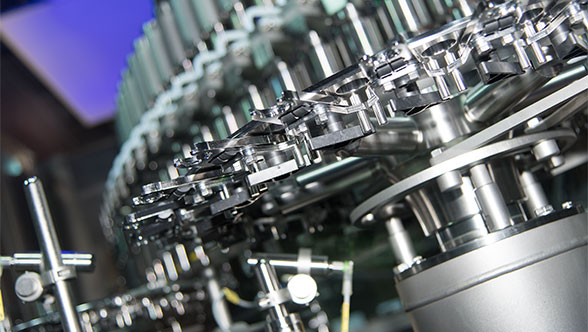
Bottling machinery contains many different components, including mechanical parts, pneumatic components, seals, rollers, grippers, valves and precision-engineered assemblies. OEM spare parts are commonly used when plants want replacements sourced through the original machine manufacturer’s supply channel.
Advantages of OEM Spare Parts
1. Established machine compatibility
An OEM part specified for the exact machine configuration can simplify the replacement process. The correct part number and equipment version must still be confirmed.
2. Access to manufacturer documentation
Depending on the manufacturer, buyers may have access to official drawings, technical specifications, installation instructions and maintenance recommendations.
3. Established quality requirements
OEM components are supplied under the manufacturer’s applicable quality and production requirements. However, the specific documentation and testing available can vary by product.
4. Support for critical applications
OEM parts may be preferable when the manufacturer requires a particular component, when a machine warranty or service agreement applies, or when the replacement is subject to strict validation requirements.
Potential Limitations of OEM Spare Parts
OEM spare parts may have longer procurement lead times, limited availability for older equipment or higher purchase prices. These factors can affect maintenance planning, particularly when an unexpected failure requires a replacement quickly.
The actual price, delivery time and availability depend on the manufacturer, component and destination.
What Are OEM-Alternative Spare Parts?
OEM-alternative spare parts are replacement components produced or supplied by a company other than the original equipment manufacturer. They are intended to serve the same application as a specified original component, provided that the alternative meets the relevant technical and operational requirements.
In bottling plants, OEM-alternative parts may be considered for applications involving bottle handling, conveying, blowing, filling, labelling and other machine operations.
Examples include:
- Bottle grippers and preform grippers
- Oven chains and mandrels
- Rollers and guide components
- PEEK components and other engineered plastic parts
- Mold components and mold supports
- Filling valves and filling nozzles
- Sealing rings, gaskets and other sealing components
- Pneumatic components and selected mechanical assemblies
The suitability of an OEM-alternative part depends on its design, dimensions, material, manufacturing quality and intended operating conditions.
An alternative part should not automatically be considered equivalent simply because it looks similar or fits into the same space. Technical verification is essential.
Advantages of OEM-Alternative Spare Parts
1. More sourcing options
Alternative suppliers can give maintenance and procurement teams additional options when sourcing replacement components.
2. Potential cost savings
Some OEM-alternative parts may offer a lower purchase price than their OEM counterparts. The actual savings depend on the component, supplier, specifications and order quantity.
3. Potentially shorter lead times
An alternative supplier may have the required component available sooner. Availability must be confirmed for the specific part and delivery location.
4. Support for older machines
Alternative sourcing can be useful when an original component is difficult to obtain or when a plant needs help identifying a suitable replacement for an older machine.
5. Greater flexibility in procurement
Plants can evaluate multiple suppliers, compare technical documentation and consider different sourcing arrangements rather than depending on a single supply channel.
The important point is that an OEM-alternative part should be selected based on verified suitability and performance requirements, not on price alone.
OEM vs OEM-Alternative Spare Parts: Key Differences
OEM and OEM-alternative spare parts serve similar replacement purposes, but they may differ in sourcing, documentation, price, availability and the process required to verify suitability.
| Comparison factor | OEM spare parts | OEM-alternative spare parts |
|---|---|---|
| Source | Original equipment manufacturer or its authorised supply channel | Independent manufacturer or alternative supplier |
| Machine compatibility | Specified for the applicable machine when the correct part is selected | Must be verified against the original part and application |
| Purchase price | Depends on the manufacturer and component | May offer a lower purchase price, depending on the part |
| Availability | Depends on the OEM’s stock and supply network | Depends on the alternative supplier’s stock and production capacity |
| Documentation | May include OEM drawings and technical documentation | Documentation varies by supplier |
| Material specifications | Based on the applicable OEM specification | Should be checked against the required specification |
| Quality verification | Depends on OEM processes and product requirements | Depends on the supplier’s manufacturing and quality-control processes |
| Warranty and support | Subject to the OEM’s applicable terms | Subject to the alternative supplier’s terms |
| Best selection approach | Confirm the correct OEM part and application | Verify technical suitability, quality and application requirements |
Neither category guarantees the best result in every situation. A well-documented alternative that meets the application’s requirements may be appropriate for one component, while an OEM part may be the better choice for another.
The correct decision depends on the machine, component function, operating conditions, risk level and available evidence.
Are OEM-Alternative Parts Suitable for Bottling Machines?
Yes, OEM-alternative spare parts can be suitable for bottling machines when they meet the required technical specifications and are validated for the intended application.
However, suitability cannot be assumed for every component. Bottling machinery operates through coordinated mechanical, pneumatic and sometimes temperature-sensitive processes. A small difference in dimensions, material properties or surface finish can affect the performance of a replacement part.
For example, a bottle gripper must handle the container securely without causing damage. A sealing ring must maintain the required sealing performance under the application’s pressure, temperature and chemical exposure. A precision-machined component must meet the dimensional tolerances necessary for proper assembly and operation.
Before choosing an OEM-alternative component, consider:
- Whether it matches the correct machine model and configuration.
- Whether the dimensions and tolerances meet the application requirements.
- Whether the material is suitable for the operating environment.
- Whether the supplier can provide relevant technical information.
- Whether the part has been checked or validated for its intended use.
- Whether the application requires OEM approval, certification or specific documented testing.
For safety-critical, product-contact or highly regulated applications, additional approval and validation may be necessary. Follow the machine manufacturer’s requirements and the plant’s applicable quality and safety procedures.
The objective is not simply to find a replacement that fits. It is to find a component that performs its intended function reliably and safely.
7 Factors to Check Before Choosing an OEM-Alternative Part
Before purchasing an OEM-alternative spare part, maintenance engineers and procurement teams should verify seven essential factors.
1. Machine and Model
Start by identifying the exact machine in which the replacement component will be installed.
Bottling equipment may have different versions, production capacities and configurations, even within the same product family. A part that works in one machine version may not be suitable for another.
Record the following information:
- Machine manufacturer
- Machine model
- Machine serial number, where relevant
- Equipment generation or revision
- Production line and station
- Existing component location
- Any modifications made to the machine
For example, when sourcing a replacement for a PET bottle blowing machine, identify the machine model and the relevant station before requesting a gripper, mandrel, oven chain component or mold-related part.
Providing accurate machine information helps the supplier assess compatibility and reduces the risk of ordering an incorrect component.
2. Part Number
The original part number is one of the most useful references when identifying a replacement.
It helps the supplier distinguish between components that may have similar appearances but different specifications, dimensions or applications.
Before placing an order, check:
- The part number on the existing component, if available
- The number shown in the machine manual or parts catalogue
- Any revision or suffix attached to the number
- Whether the part number refers to a complete assembly or an individual component
- Whether the original part has been replaced by a revised version
If the part number is unavailable, provide a clear photograph, technical drawing, dimensions and machine details.
A part number is a useful starting point, but it should not replace technical verification when specifications or machine configurations are uncertain.
3. Technical Drawing
A technical drawing provides important information about a component’s design and manufacturing requirements.
It can show the geometry, hole positions, mounting interfaces, material callouts, surface finish and specified tolerances. These details help a supplier determine whether a proposed replacement matches the original application.
When requesting an OEM-alternative part, provide the latest available drawing and confirm that it corresponds to the correct component revision.
A supplier may need to review:
- Overall geometry and critical features
- Hole patterns and mounting positions
- Thread sizes and connection interfaces
- Material specifications
- Surface finish requirements
- Critical dimensions and tolerances
If no drawing is available, photographs and physical measurements may help with initial identification. However, they may not provide enough information to reproduce every critical feature accurately.
For precision components, a drawing or other reliable technical reference is generally preferable to visual matching alone.
4. Dimensions and Tolerances
Dimensions and tolerances directly affect whether a replacement component fits and performs correctly.
Two parts can appear identical but differ in diameter, length, thickness, alignment or other critical measurements. Such differences may lead to installation difficulties, excess wear, leakage, vibration or inconsistent machine operation.
Important measurements may include:
- Overall length, width and height
- Inner and outer diameters
- Hole diameter and centre-to-centre spacing
- Thread dimensions
- Mounting interfaces
- Shaft or bore dimensions
- Specified dimensional tolerances
- Surface finish, where relevant
Tolerances define the acceptable variation from a specified dimension. They are especially important for components used in precision assemblies or repeated machine movements.
Do not rely on approximate measurements when the application requires tight tolerances. The replacement should meet the relevant drawing and engineering requirements.
5. Material
The material used to manufacture a spare part affects its durability, friction, wear resistance, temperature performance and compatibility with the operating environment.
A replacement with the correct shape but an unsuitable material may fail to deliver the expected service life.
Material selection is particularly important for:
- PEEK and other engineered plastic components
- Sealing rings, gaskets and O-rings
- Rollers and wear components
- Oven chains and heat-exposed components
- Pneumatic seals
- Filling components exposed to cleaning agents or product-contact requirements
For example, a sealing ring must be made from a material suitable for the application’s temperature, pressure and chemical exposure. An engineered plastic component may require specific mechanical properties, dimensional stability or wear resistance.
Before approving an alternative, ask the supplier about the material grade and its suitability for the application. Where necessary, request material certificates, technical data sheets or other supporting documentation.
For product-contact applications, verify applicable hygiene, regulatory and material compliance requirements before installation.
6. Operating Conditions
A replacement component must perform under the actual conditions in which the machine operates.
A part suitable for a low-temperature application may not be suitable for an environment with sustained heat, aggressive cleaning chemicals or frequent mechanical loading.
Review the following operating factors:
- Operating temperature
- Pressure and mechanical loads
- Rotational or linear movement
- Friction and wear
- Production speed and duty cycle
- Exposure to water, cleaning agents or lubricants
- Vibration and repeated movement
- Product-contact requirements, where applicable
For example, an oven chain component used in a PET blowing line must be suitable for the relevant thermal and mechanical conditions. A filling valve component must be appropriate for its fluid, pressure and cleaning environment.
Share these details with the supplier whenever they influence the component’s design or material requirements.
7. Supplier Technical Capability
The supplier’s technical capability is just as important as the component itself.
A reliable supplier should be able to review the application, understand the required specifications and explain how a proposed replacement has been assessed.
Before choosing a supplier, evaluate whether it can:
- Identify parts using part numbers, drawings or samples.
- Review machine models and application requirements.
- Explain material and dimensional specifications.
- Provide relevant inspection or quality documentation.
- Clarify compatibility limitations and outstanding questions.
- Communicate realistic manufacturing and delivery lead times.
- Explain warranty terms and after-sales support.
- Help investigate issues if the replacement does not perform as expected.
Be cautious when a supplier guarantees compatibility without reviewing the machine, component or technical requirements.
A technically capable supplier should be willing to ask questions before confirming a replacement.
A replacement component may look identical to the original and still perform differently in operation.
Why Compatibility Matters More Than Appearance
Visual similarity does not confirm that two parts have the same dimensions, tolerances, material properties, internal geometry or manufacturing quality.
In a bottling plant, even a small component can influence a much larger production process.
Consider the following examples:
Bottle grippers: Incorrect gripping geometry or material properties may affect container handling and increase the risk of slipping or damage.
Sealing rings: An unsuitable material or incorrect dimension may compromise sealing performance and contribute to leakage or maintenance interruptions.
Rollers: Differences in diameter, surface finish or material properties may affect movement, wear and alignment.
Mandrels: Dimensional inaccuracies may affect component positioning and the performance of the relevant machine station.
Filling valves: Internal geometry, sealing surfaces and material compatibility may influence flow control and sealing performance.
These examples illustrate why the replacement decision must consider engineering requirements rather than appearance alone.
The correct approach is to compare the original specification with the proposed alternative, identify any differences and determine whether those differences are acceptable for the application.
Cost vs Total Cost of Ownership
Purchase price is an important factor in spare-part procurement, but it does not represent the entire cost of using a component.
Total cost of ownership (TCO) considers the broader costs associated with purchasing, installing, operating, maintaining and replacing a part over its service life.
For bottling plants, these costs may include:
- Initial purchase price
- Shipping, customs and handling
- Installation and labour
- Inspection and validation
- Preventive maintenance
- Replacement frequency
- Production downtime
- Troubleshooting and corrective maintenance
- Disposal and associated replacement costs
For example, a lower-priced component may appear attractive initially. However, if it requires frequent replacement or causes additional maintenance work, the total cost may be higher than expected.
Conversely, a properly specified OEM-alternative component may offer value when its purchase price, service life, maintenance requirements and delivery arrangements meet the plant’s needs.
How to Compare Total Cost of Ownership
Use the following framework when evaluating two replacement options:
| Cost factor | Questions to ask |
|---|---|
| Purchase price | What is the quoted price per component? |
| Logistics | What are the shipping, duties and handling costs? |
| Installation | Will the component require additional labour or modifications? |
| Service life | What performance evidence or service-life information is available? |
| Maintenance | How often is inspection or replacement expected? |
| Downtime | What is the potential cost if the component fails? |
| Availability | How quickly can another replacement be supplied? |
| Warranty | What support is available if the component fails? |
Where reliable data is available, compare the estimated total cost over the same period and under comparable operating conditions.
Avoid assuming that every alternative part is cheaper over its service life or that every OEM component will last longer. Both conclusions require evidence for the specific application.
The best choice is the component that delivers the required performance at an acceptable overall cost and risk.
Lead Time and Spare-Part Availability
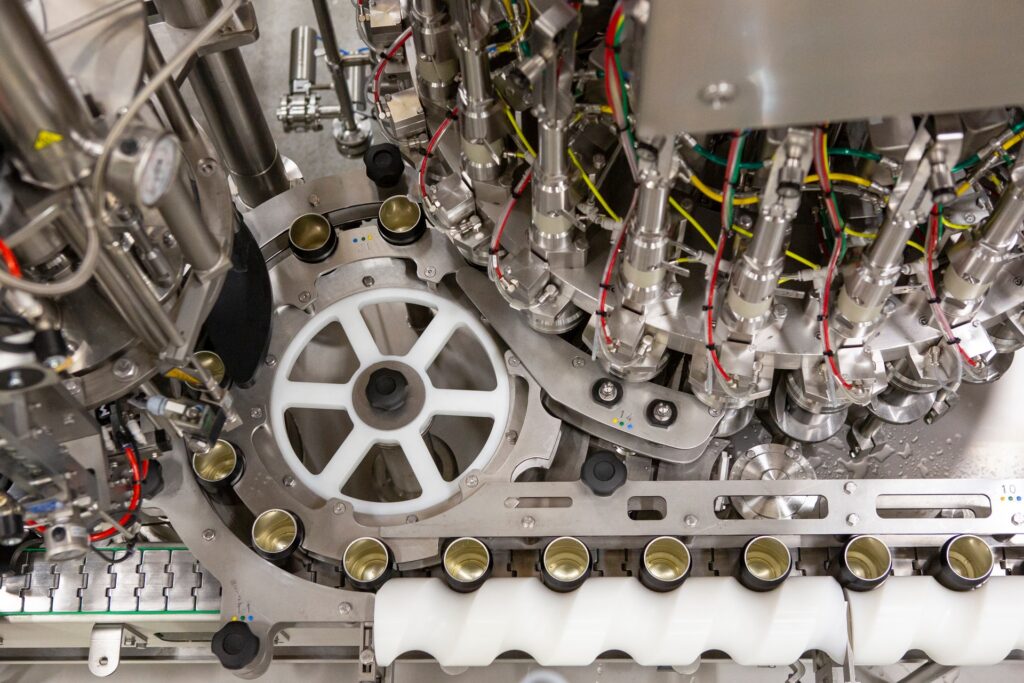
Spare-part availability can directly influence maintenance planning and production continuity.
If a critical component is unavailable when required, a plant may experience extended maintenance delays while the replacement is sourced.
OEM and OEM-alternative suppliers may have different stock levels, production schedules and distribution networks. Actual lead times depend on the component, order quantity, destination and supplier capacity.
Before placing an order, confirm:
- Whether the part is in stock or made to order
- The estimated dispatch date
- The expected delivery time to your location
- Whether the quoted lead time includes manufacturing
- Whether export documentation or customs may affect delivery
- Whether repeat orders can be supported
- Whether the supplier can help plan future replenishment
For critical components, maintaining an approved spare-parts list and identifying alternative sourcing options can improve preparedness.
However, availability should never replace technical verification. A component that arrives quickly is not a suitable choice unless it meets the application’s requirements.
How to Evaluate the Quality of an OEM-Alternative Spare Part
Quality evaluation should be based on evidence rather than appearance or price alone.
Before approving an OEM-alternative part, consider the following checks.
1. Verify Technical Specifications
Compare the proposed replacement against the original drawing, part number, material requirements and critical dimensions.
Document any differences and confirm whether they are acceptable for the intended application.
2. Review Material Information
Where material properties affect performance, request appropriate documentation such as material certificates or technical data sheets.
Check whether the material is suitable for the operating temperature, pressure, chemical exposure and product-contact requirements.
3. Ask About Inspection Procedures
Find out how the supplier checks dimensions, material requirements and finished-part quality.
Depending on the component, relevant evidence may include dimensional inspection records, inspection reports or other product-specific quality documents.
4. Check Traceability
For applications where traceability matters, ask whether the supplier can identify the relevant part, batch or production order and retain supporting records.
Traceability requirements depend on the component and the plant’s quality procedures.
5. Confirm Performance Requirements
Identify the operating conditions and performance characteristics that matter most.
These may include sealing performance, wear resistance, dimensional stability, movement accuracy or resistance to temperature and chemicals.
Where appropriate, define how the replacement will be evaluated before it is approved for routine production.
6. Understand Warranty and Support
Confirm the supplier’s warranty conditions, exclusions, complaint-handling process and technical support arrangements before ordering.
Do not assume that an OEM-alternative part has the same warranty coverage as the original manufacturer’s component.
7. Follow a Controlled Installation and Evaluation Process
When required by the application’s risk level and plant procedures, inspect the replacement before installation and evaluate its performance under approved operating conditions.
Monitor relevant indicators such as wear, leakage, alignment, vibration and production consistency.
Critical applications may require formal engineering approval or validation before use.
These checks help procurement and maintenance teams make decisions based on technical suitability and documented evidence.
When Should a Bottling Plant Consider an OEM-Alternative?
An OEM-alternative spare part may be worth evaluating in several situations.
When the Original Part Has a Long Lead Time
If the original component is not readily available, an alternative supplier may offer another sourcing option. Verify the replacement before installation.
When the Plant Wants to Compare Procurement Costs
Alternative quotations allow procurement teams to compare prices, documentation, delivery terms and support arrangements.
The objective should be to evaluate value, not simply choose the lowest-priced offer.
When Supporting Older Machinery
Older bottling equipment may have components that are difficult to source through conventional channels. A supplier with suitable technical capabilities may be able to identify or manufacture an appropriate replacement.
Such work may require drawings, accurate measurements, material verification and engineering review.
When the Component’s Requirements Can Be Verified
An alternative may be suitable when its critical specifications are documented and the plant can establish that it meets the relevant performance requirements.
When the Supplier Offers Suitable Technical Support
A supplier that reviews drawings, checks dimensions, understands the application and provides appropriate quality information can help reduce uncertainty during the replacement process.
OEM-alternative parts should still be assessed individually. Their suitability depends on the component, machine and consequences of failure.
When Should You Choose an OEM Spare Part?
OEM spare parts may be the more appropriate choice when the application has requirements that make the original manufacturer’s component necessary or when an alternative cannot be adequately verified.
Consider choosing an OEM part in the following situations:
1. The machine manufacturer specifically requires it.
Follow applicable manufacturer instructions, service agreements and machine-specific requirements.
2. The equipment is under warranty or a service agreement.
Check the relevant terms before using an alternative component. The effect of an alternative on coverage depends on the agreement and applicable law.
3. The component is safety-critical.
Components whose failure could create significant safety risks may require specific approved parts, documented engineering assessments or formal validation.
4. The application requires specific certification or traceability.
Where regulations, customer requirements or plant quality systems specify a particular source or documentation, verify compliance before selecting an alternative.
5. The original specifications cannot be established.
If the component’s critical design, material or operating requirements are unknown, purchasing a visually similar replacement may introduce unnecessary risk.
6. A suitable alternative cannot be demonstrated.
If the supplier cannot provide enough technical evidence to establish suitability, the original part or another verified solution may be the safer option.
OEM-alternative sourcing is a procurement option, not a reason to bypass engineering requirements.
How to Choose a Reliable OEM-Alternative Spare Parts Supplier
Selecting the right supplier is an important part of maintaining reliable bottling machinery.
A good supplier should understand the application, communicate clearly and provide appropriate evidence that the proposed component meets the required specifications.
Use these criteria when comparing suppliers.
Technical Understanding
Choose a supplier that can interpret part numbers, machine models, drawings and application requirements rather than relying only on photographs or product descriptions.
Manufacturing and Quality Controls
Ask about manufacturing processes, inspection methods and the quality documents available for your component.
Request supporting evidence where it is relevant to the application’s risk and performance requirements.
Material and Dimensional Accuracy
Confirm how the supplier establishes material suitability and verifies critical dimensions and tolerances.
Product Range
A supplier with experience across blowing, filling, labelling and bottle-handling equipment may help simplify sourcing for plants that use multiple types of machinery.
However, evaluate its capability for the specific part rather than assuming that a broad catalogue guarantees suitability.
Lead-Time Transparency
A reliable supplier should clearly distinguish between available stock, production lead time and estimated shipping time.
Communication and Technical Support
The supplier should ask relevant questions, clarify uncertainties and explain what information is needed to identify the correct component.
Commercial Terms
Review the quotation, delivery conditions, payment terms, warranty, packaging and after-sales support before confirming an order.
Consistency Across Repeat Orders
For regularly replaced components, ask how the supplier maintains specification consistency and identifies repeat-order requirements.
Practical tip: Before approving a new supplier for a critical component, establish a clear technical acceptance process. This helps maintenance and procurement teams evaluate the same requirements rather than relying on different assumptions.
Information to Provide When Requesting a Replacement Part
Providing complete information at the beginning of the sourcing process helps a supplier identify the component more accurately and prepare a relevant quotation.
When contacting a supplier, include as many of the following details as possible.
| Information | Why it matters |
|---|---|
| Original part number | Helps identify the required component |
| Machine manufacturer and model | Establishes the equipment application |
| Machine serial number or version | Helps distinguish between machine configurations |
| Technical drawing | Shows geometry, interfaces and specifications |
| Dimensions and tolerances | Helps assess dimensional compatibility |
| Material specification | Supports material selection and verification |
| Clear photographs | Help with initial visual identification |
| Operating conditions | Clarify temperature, pressure, load and environmental requirements |
| Required quantity | Helps determine pricing and availability |
| Delivery destination | Helps estimate logistics and lead time |
| Required delivery date | Helps assess sourcing options |
| Quality or certification requirements | Establishes the required supporting documentation |
If you do not have all these details, start with the information available. A part number, machine model and clear photographs may be enough for an initial enquiry, although further technical information may be needed before compatibility can be confirmed.
For precision components, do not rely on photographs alone when critical dimensions, internal geometry or material properties cannot be established visually.
Common Mistakes When Buying Bottling Machine Spare Parts
Even experienced procurement teams can encounter problems when selecting replacement components. Avoid these common mistakes.
1. Choosing a Part Based Only on Price
A low initial price does not necessarily mean lower overall cost. Consider service life, maintenance requirements, delivery and the consequences of failure.
2. Ignoring the Exact Machine Model
Components may differ between machine versions. Verify the equipment configuration before ordering.
3. Assuming Similar Appearance Means Compatibility
Two parts may look alike but have different materials, tolerances or functional characteristics.
4. Overlooking Material Requirements
Incorrect material selection may affect wear resistance, sealing, temperature performance or chemical compatibility.
5. Ordering Without Checking Technical Drawings
When available, use drawings and specifications to verify critical dimensions and interfaces.
6. Failing to Confirm Lead Time
An unverified delivery estimate can disrupt maintenance schedules. Confirm stock status and the expected dispatch and delivery dates.
7. Ignoring Documentation and Warranty Terms
Ask what quality records, inspection evidence and warranty support are available before placing an order.
8. Failing to Evaluate the Replacement
Where required, follow the plant’s inspection, approval and performance-evaluation procedures before returning equipment to routine production.
9. Not Planning for Repeat Orders
For frequently replaced components, retain the approved part details and supplier information to make future procurement more consistent.
Avoiding these mistakes can help plants improve purchasing decisions, reduce avoidable delays and manage replacement-part risks more effectively.
OEM vs OEM-Alternative: A Practical Decision-Making Checklist
Use this checklist before approving a replacement part for a bottling machine.
- Have we identified the correct machine model and configuration?
- Have we confirmed the original part number or established a reliable component reference?
- Have we compared the technical drawing and critical dimensions?
- Have we verified the required material and operating conditions?
- Has the supplier explained how compatibility is assessed?
- Are relevant inspection records or technical documents available?
- Have we compared purchase price and total cost of ownership?
- Have we confirmed the actual lead time and delivery terms?
- Have we checked warranty, service and after-sales conditions?
- Have we identified any OEM approval, regulatory or validation requirements?
- Is the proposed replacement approved under the plant’s maintenance and quality procedures?
If important technical questions remain unanswered, clarify them before approving the part.
For low-risk applications, the verification process may be relatively straightforward. For critical components, a more formal technical review and validation process may be necessary.
The final decision should be supported by the component’s requirements, available evidence and the plant’s risk-management procedures.
Why Choose Vikram Solutions?
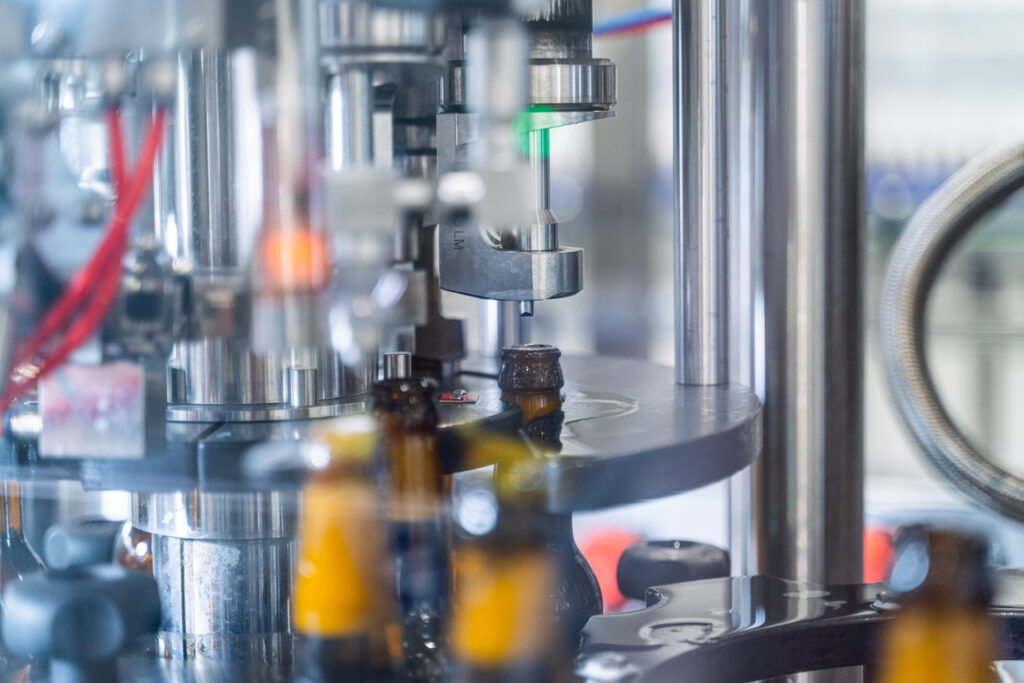
Vikram Solutions provides OEM-alternative spare-part solutions for industrial packaging and bottling machinery, supporting customers looking for replacement components for blowing, filling, labelling and related applications.
With engineering roots dating to 1988 and more than 35 years of engineering experience, Vikram Solutions focuses on helping customers identify replacement-part requirements and source components suited to their machine applications.
The company supports spare-part sourcing across a range of component categories, including:
- Bottle grippers and preform grippers
- Oven chains and mandrels
- Rollers and guide components
- PEEK parts and other engineered components
- Mold components and mold supports
- Filling valves and related components
- Sealing components and selected pneumatic parts
What to Consider When Working With Vikram Solutions
Part identification: Provide your original part number, machine model or technical reference to help identify the required component.
Application details: Drawings, dimensions, photographs and operating conditions can help clarify the replacement requirements.
Technical evaluation: The component’s relevant dimensions, materials and application requirements should be reviewed before suitability is confirmed.
Quotations and sourcing: Share the required part details and quantity to request a quotation and discuss availability.
International supply: Contact Vikram Solutions to confirm availability, delivery arrangements and support for your destination.
The goal is to help bottling plants evaluate suitable replacement options while keeping compatibility, quality requirements and operational needs at the centre of the decision.
Learn more about the company and its spare-part solutions at https://vikramengineering.com.
Note: Confirm current product availability, documentation, delivery arrangements and any component-specific capabilities with Vikram Solutions before making a purchase decision.
Related Bottling Machine Spare Parts
Choosing a replacement component often requires understanding the other parts involved in the same machine process. Explore related spare-part categories to identify the components relevant to your equipment.
PET Bottle Blowing Machine Spare Parts
Blowing machine components may include oven chains, mandrels, preform grippers, mold components, sealing parts and other precision-engineered replacements.
Bottle Grippers and Preform Grippers
Grippers support the handling and transfer of bottles or preforms at different stages of production. Their geometry, material and gripping characteristics must suit the intended application.
Oven Chains and Mandrels
These components are used in relevant PET preform heating and handling systems. Material suitability, dimensions and operating conditions are important considerations when sourcing replacements.
Mold Components and Mold Supports
Mold-related components must meet the applicable dimensional and interface requirements to support proper assembly and machine operation.
Filling Machine Spare Parts
Filling equipment may use valves, nozzles, seals, valve seats, bottle holders and pneumatic components. Selection depends on the filling process, fluid, machine configuration and applicable hygiene requirements.
Labelling Machine Spare Parts
Labelling equipment may contain rollers, guide components, bearings, belts and other parts involved in container handling and label application.
Explore the relevant product categories on the Vikram Solutions website and confirm availability for your specific machine and part number.
Frequently Asked Questions (FAQs)
1. What is the difference between OEM and OEM-alternative spare parts?
OEM spare parts are supplied by the original equipment manufacturer or its authorised supply channel. OEM-alternative spare parts are supplied by another manufacturer or supplier and are intended to replace a component in a specified application. Their compatibility, quality, and performance must be assessed for the particular part.
2. Are OEM-alternative spare parts reliable?
They can be reliable when they are manufactured and verified against the necessary technical requirements. Reliability depends on design, material suitability, manufacturing quality, dimensional accuracy, operating conditions, and quality control. Evaluate the specific part and supplier rather than assuming that all alternatives offer the same performance.
3. Are OEM-alternative parts suitable for PET bottle blowing machines?
Selected OEM-alternative components may be suitable for PET bottle blowing machines, depending on the machine model, component function, material, dimensions, and operating requirements. Verify compatibility and any applicable manufacturer restrictions before installation.
4. Can OEM-alternative spare parts reduce maintenance costs?
They may help reduce procurement costs for suitable applications. However, the overall financial benefit depends on the purchase price, service life, maintenance requirements, availability, and potential downtime. Compare the total cost of ownership rather than purchase price alone.
5. How can I check whether an alternative spare part fits my machine?
Start with the original part number, machine manufacturer, model, and available technical drawing. Compare the relevant dimensions, tolerances, interfaces, and material requirements. If the original documentation is unavailable, provide clear photographs, measurements, and application details for technical assessment.
6. What information is required to request a replacement bottling machine part?
Useful information includes the original part number, machine model, drawing, dimensions, material specification, photographs, required quantity, and operating conditions. The exact requirements depend on the component. Providing more accurate information can help reduce identification errors and quotation delays.
7. Are OEM-alternative parts always cheaper than OEM parts?
No. Some alternatives may have lower purchase prices, while others may not. Compare the actual quotations, specifications, availability, delivery costs, and long-term operating expenses for the specific component.
8. When should I choose an OEM spare part instead of an alternative?
An OEM part may be preferable when the machine manufacturer requires it, the component is safety-critical, compatibility cannot be adequately verified, strict validation requirements apply, or manufacturer-specific support is essential. Follow the applicable technical and safety requirements.
9. How do I evaluate an OEM-alternative spare-parts supplier?
Review the supplier’s relevant industry experience, technical understanding, dimensional inspection processes, material documentation, quality controls, delivery commitments, warranty terms, and ability to support repeat orders. Confirm that the supplier can address the actual requirements of your machine and component.
10. Does an OEM-alternative part have the same quality as an OEM part?
Not automatically. The quality of an alternative depends on its design, materials, manufacturing process, inspection, and suitability for the intended application. Comparable quality should be supported by relevant technical evidence and appropriate verification rather than assumed from the part’s appearance.
11. Can I request an OEM-alternative part if I do not have the original part number?
Yes, a supplier may be able to assess the requirement using the machine model, photographs, dimensions, technical drawings, or a physical sample. However, identification may be more difficult without the original part number, and additional technical information may be needed before compatibility can be established.
12. Where can I find OEM-alternative bottling machine spare parts?
Vikram Solutions supplies OEM-alternative spare parts for selected blowing, filling, labelling, and related bottling machinery applications. Visit https://vikramengineering.com and share the available part number, machine model, drawing, dimensions, or photographs to enquire about a suitable replacement.
Need Help Finding the Right Replacement Part?
Selecting the right bottling machine spare part involves more than comparing prices or finding a component that looks similar to the original. Machine compatibility, dimensional accuracy, material suitability, quality verification and supplier reliability all contribute to an informed purchasing decision.
Whether you are sourcing a replacement for a PET bottle blowing machine, filling line, labelling system or another packaging application, start with the correct technical information and evaluate each option against the requirements of your equipment.
Vikram Solutions supports OEM-alternative spare-part sourcing for a range of bottling and packaging machinery applications.
Looking for a suitable replacement for your bottling machine?
Share your part number, machine model, technical drawing, dimensions or component photograph with Vikram Solutions to discuss your requirement and request a quotation.
Visit: https://vikramengineering.com
Reliable Parts. Better Performance. Less Downtime.
